
Check-In vs Check-Out Reports: What's the Difference?
Landlords often hear "inventory", "check-in" and "check-out" used as if they were the same thing. They are related, but they do different jobs. One records how the property starts. The other records how it ends, and its value depends almost entirely on the first.
The Check-In report
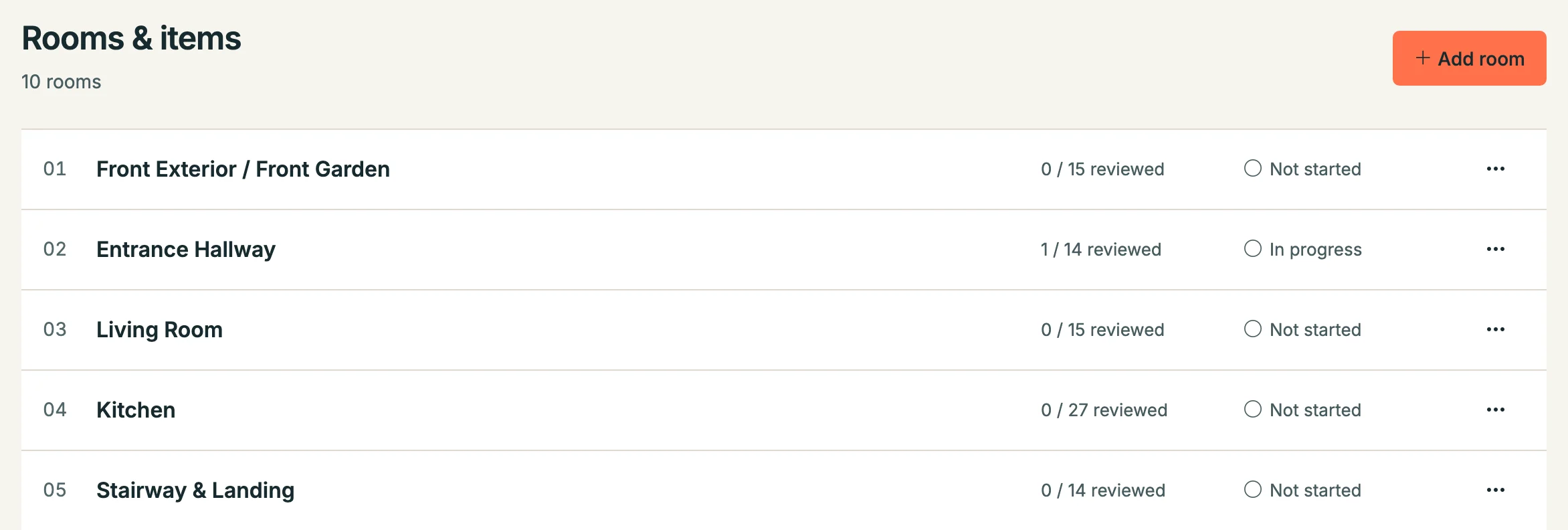
A Check-In report, also called the inventory and schedule of condition, is made at the start of the tenancy. mydeposits advises completing it shortly before, or on, the day the tenant moves in. It describes every room and item, notes condition and cleanliness, and records meter readings, keys and alarm checks, all supported by dated photographs.
Where possible, mydeposits suggests all tenants attend and check the report before moving their belongings in. If they cannot, send them a copy and allow time for them to comment, amend, sign and return it. The NRLA notes that industry practice gives tenants up to seven days to comment. If a tenant does not sign, keep evidence that you gave them the document.
The Check-Out report
A Check-Out report is made when the tenancy ends. The mydeposits guidance is that the final inspection is compared against the Check-In inventory, and that the tenant should be given the chance to attend.
The comparison is the point. A Check-Out report is not a fresh opinion on the property. It records the condition now, item by item, beside the condition recorded at the start. That is why mydeposits advises using the same terminology at check-out as at check-in, so differences are easy to see.
Side by side
- When: Check-In is made shortly before or on move-in day. Check-Out is made at the end of the tenancy.
- Purpose: Check-In sets the baseline. Check-Out records what has changed since.
- Compared with: Check-In has nothing to compare with, because it is the baseline. Check-Out is read against the Check-In.
- Tenant involvement: At Check-In the tenant reviews, comments and signs. At Check-Out the tenant is invited to attend.
Why one without the other is weak
A Check-Out report with no Check-In to compare against can show what the property looks like, but it cannot show what has changed. A Check-In with no Check-Out leaves you with a baseline and nothing to measure it against. The Deposit Protection Service says reports compare a property's condition at the start and end of a tenancy, and that unsigned reports not supported by photographs are unlikely to carry sufficient evidential weight.
What a Check-Out report should and should not do
It should describe what you see, in specific terms, and support each change with a photograph. mydeposits advises against vague entries such as "all good" or "in need of cleaning".
It should not, on its own, assign blame or put a price on anything. Whether a difference is fair wear and tear or something a tenant is responsible for is a separate judgement. Read more in fair wear and tear vs tenant damage.
If the tenant accepts the final report, mydeposits suggests all parties sign it, and that any agreed settlement is recorded in writing and signed. GOV.UK says the deposit must then be returned within 10 days of you both agreeing the amount.
Where Midterm inspections fit
Between the two, a Midterm inspection records how the property is being looked after during the tenancy. mydeposits says three or six monthly checks are reasonable. See midterm property inspections for what to look at.
The short version
- Check-In sets the baseline. Check-Out compares against it.
- Use the same rooms, items and wording in both.
- Give tenants the chance to review the Check-In and attend the Check-Out.
- Photographs make both far more useful.
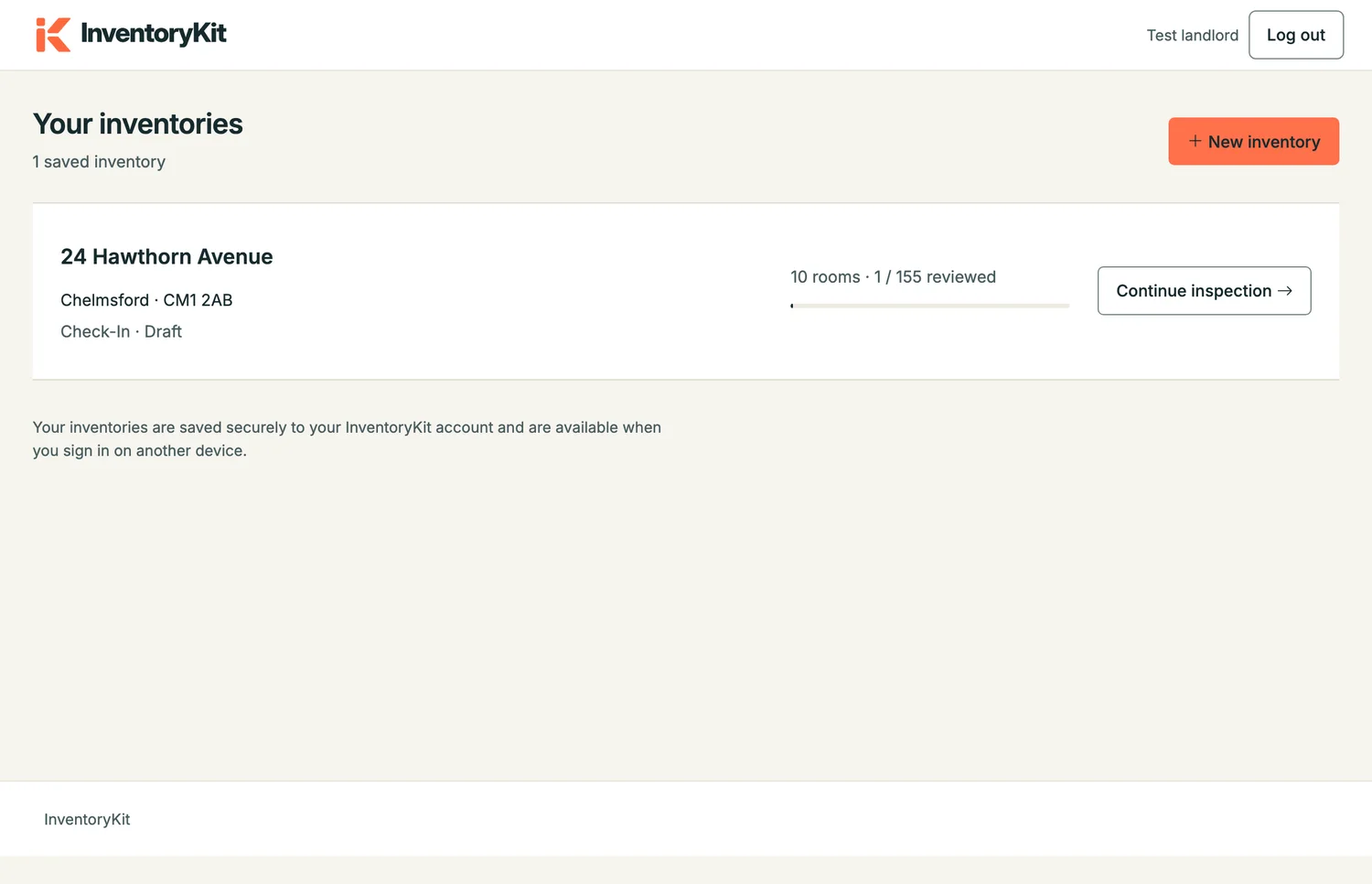
InventoryKit shows your issued Check-In beside what you record at the end, so the comparison is already laid out. See Check-Out inventories.
This article is general information for landlords in England and is not legal advice.