
Midterm Property Inspections: What Should You Check?
A midterm inspection is a planned visit during a tenancy to see how the property is being looked after and whether anything needs attention. Done sensibly, it protects both the property and the relationship with your tenant.
How often?
mydeposits says interim inspections every three or six months are reasonable, and that they help catch problems such as damp and mould early. It also suggests re-checking the property about a month before the tenant leaves, so that any issues can be sorted out before the end of the tenancy.
There is no single right frequency. A visit that is too frequent can feel intrusive. One that is too rare can let small defects become large ones.
Give proper notice
It is the tenant's home. GOV.UK's guidance on making repairs says a landlord has a legal right to enter to inspect or repair but must give at least 24 hours' notice, and the visit should be at a reasonable time of day, except in an emergency. Councils advise putting the notice in writing, and that an email or message is a sound way to keep a record. Because the rules for private renting changed on 1 May 2026, check the current GOV.UK guidance before relying on any detail here.
What to check
Work through the property in the same order as your Check-In report. Useful areas include:
- Damp, mould and condensation. Look at ceilings, window frames, external walls, behind furniture and in bathrooms and kitchens.
- Leaks and water damage. Check under sinks, around the bath and shower, and for staining on ceilings.
- Smoke and carbon monoxide alarms. Confirm they are present and working, and record exactly what you did.
- Appliances and fittings. Note whether provided appliances work and whether anything has been moved, replaced or removed.
- Windows, doors and locks. Check that they open, close and lock properly.
- Garden, drives and outbuildings. Note general condition and any change.
- General care. Look for cleanliness and for anything that suggests a repair is needed.
Compare with the Check-In
The purpose of a midterm report is not to inspect for faults the tenant must pay for. It is to record the property as it is now, against the baseline you recorded at the start. Use the same rooms, items and wording as your Check-In report so that differences are easy to see. Read more about the baseline in Check-In vs Check-Out reports.
Record what you find
Use specific words and take dated photographs of anything you note, in the same way as at Check-In. If something needs a repair, note it, tell your tenant, and record what you arranged. mydeposits advises describing condition specifically and noting all changes and deterioration with photographs.
Be careful about conclusions. A midterm note that something has changed does not decide who is responsible. That is a separate judgement, which we explore in fair wear and tear vs tenant damage.
Be considerate
- Keep the visit short and focused.
- Keep to the time you agreed.
- Do not photograph the tenant's personal belongings unnecessarily.
- Follow up in writing on anything you found, and what happens next.
The short version
- Three or six monthly checks are generally regarded as reasonable.
- Give at least 24 hours' notice, in writing, and visit at a reasonable time.
- Look for damp, leaks, alarms, appliances and general care.
- Compare with your Check-In and record changes with dated photographs.
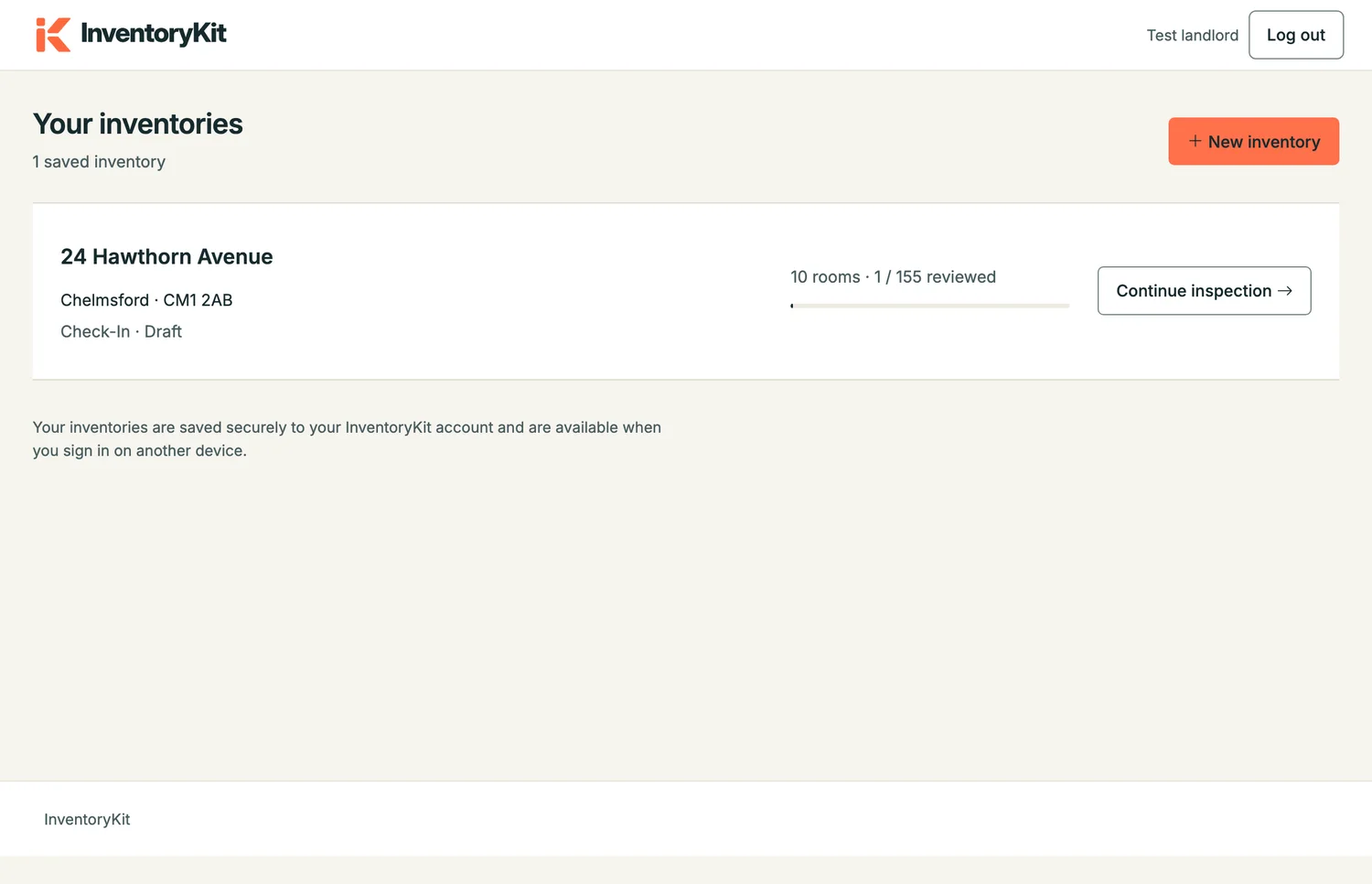
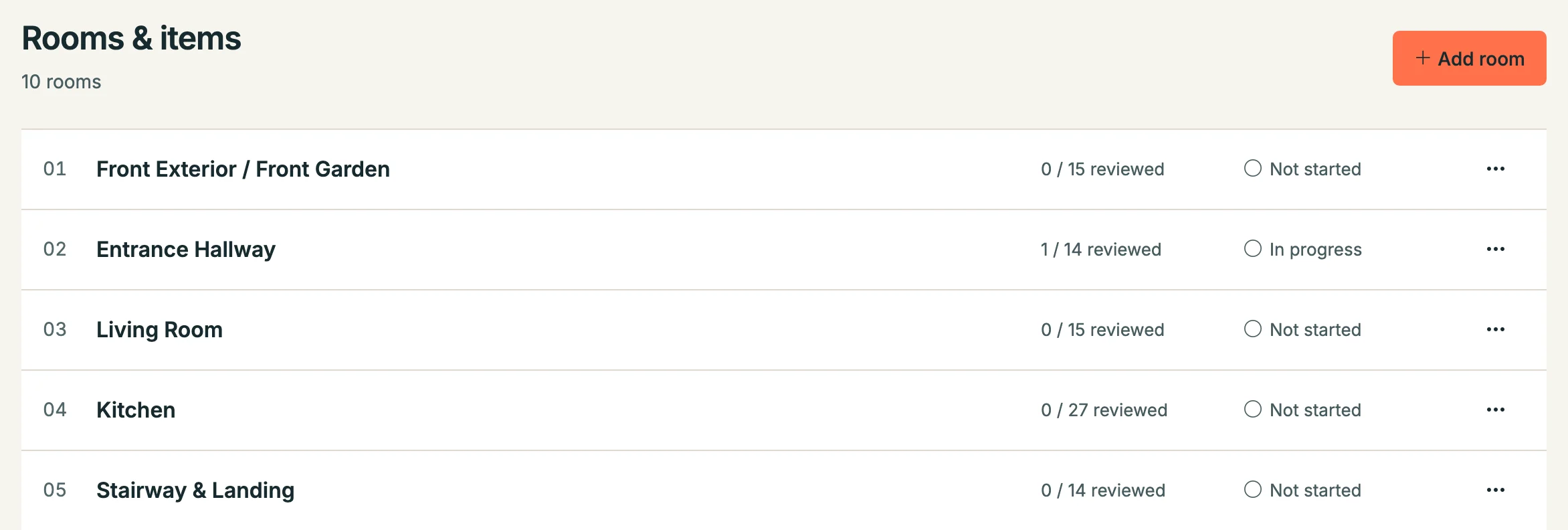
InventoryKit's Midterm inspection reuses your property's rooms and items, so you do not start from scratch.
This article is general information for landlords in England and is not legal advice.