

Fair Wear and Tear vs Tenant Damage: A UK Landlord's Guide
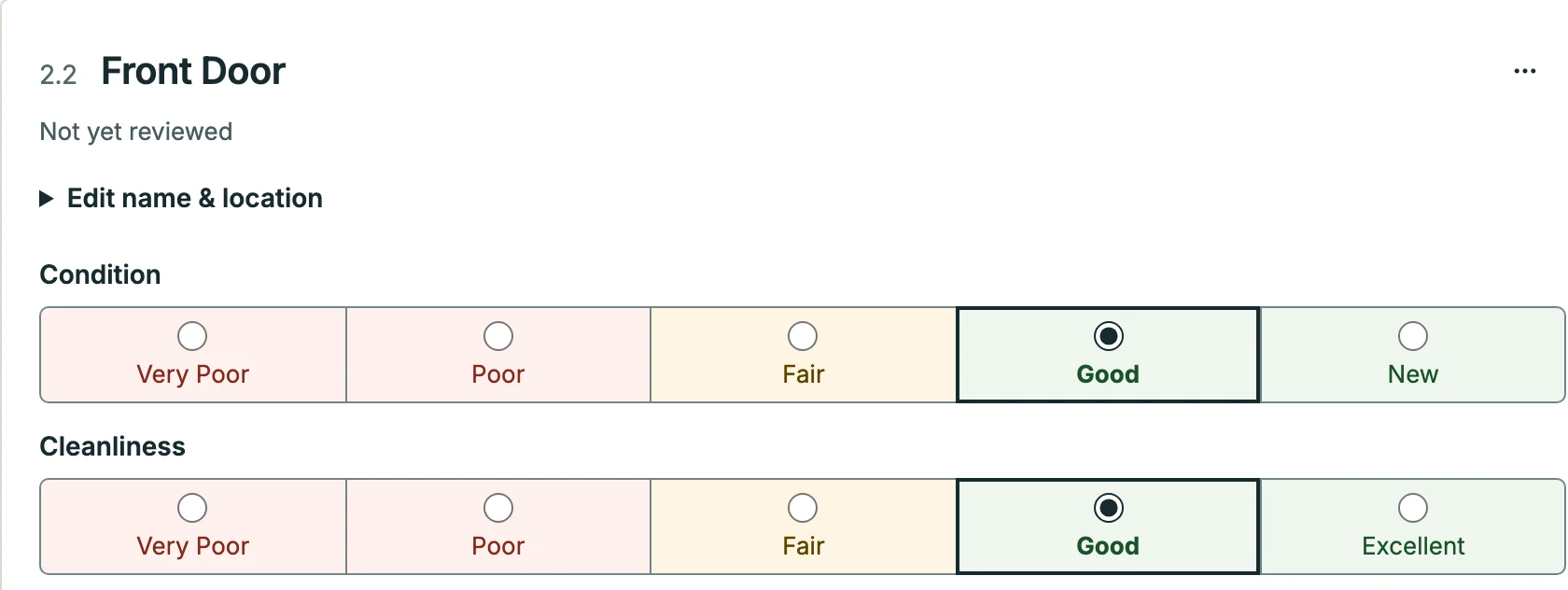
At the end of a tenancy, most disagreements about the deposit come down to one question: is this ordinary wear, or is it damage? The answer is rarely obvious from a photograph alone, and it affects how much, if anything, a landlord can reasonably claim.
What fair wear and tear means
The Deposit Protection Service (DPS) describes fair wear and tear, citing a House of Lords definition, as the reasonable use of the premises by the tenant and the ordinary operation of natural forces. In other words, a home gets older and shows it even when it is lived in carefully.
The DPS gives an example. Light marks on a carpet may count as normal wear. Negligent damage, such as burns or spills, may make the tenant liable for the repair. Its advice is to consider whether an item has been damaged or worn out through natural use or through negligence.
Questions that help
mydeposits suggests weighing fair wear and tear against several factors:
- the age of the item
- its expected lifespan
- the length of the tenancy
- the number of tenants
A carpet that was already nine years old at the start of a short tenancy is a very different case from one fitted last year. This is one reason the Check-In report should record age and condition where you know them.
Betterment and depreciation
The DPS is clear that a claim should not be used as an opportunity to upgrade the property at the tenant's cost. The property should not come back in better condition than it started. Adjudicators may want receipts to establish an item's age, original cost and quality, and compensation may be appropriate where an item's value is reduced or its lifespan shortened.
Act reasonably
The DPS says landlords and agents have a duty to act reasonably and not to claim more than is necessary to compensate for a loss.
What evidence supports a claim
Think of the evidence in three parts:
- The baseline. A dated Check-In report that describes the item specifically and is supported by photographs.
- The comparison. A Check-Out report that uses the same wording and shows what has changed.
- The context. Receipts, invoices, quotes and age or purchase information for anything you claim for.
The DPS says an inventory that is unsigned and unsupported by photographs is unlikely to carry sufficient evidential weight, and recommends date-stamped photographs with an explanation of what they show. Witness statements can be submitted, but the adjudicator will not contact witnesses or cross-examine them.
Write it down as you see it
Vague entries make later judgements harder. mydeposits advises describing condition specifically rather than writing "all good" or "in need of cleaning". Say what the item is, where the mark is, how large it is and what it looks like. Our guide to creating a property inventory has more on wording.
What a record cannot do
A report records what was seen. It does not decide whether something is fair wear and tear. That judgement belongs to you, and, if the deposit is disputed, to the scheme's adjudicator. InventoryKit records what you tell it and does not assess liability or give legal advice.
The short version
- Fair wear and tear is ordinary use and natural ageing. Damage is more than that.
- Age, lifespan, tenancy length and number of tenants all matter.
- Do not claim for betterment, and do not claim more than is necessary.
- Specific wording and dated photographs are your strongest evidence.
For how photographs fit in, see how photographic evidence helps resolve deposit disputes.
This article is general information for landlords in England and is not legal advice.